How to Meal Prep a Week of Vegetarian Lunches
Lunch is the meal that quietly undoes a good week. You meant to bring something in; by Tuesday you are buying a sad desk sandwich, and by Thursday you are splitting fries with someone who did not offer. The fix is not more willpower. It is a small, repeatable system: cook a few flexible components, pack them in a way that stays interesting, and give yourself just enough variety that you do not rebel by Wednesday.
Vegetarian lunches are perfect for this because they are forgiving. Beans, grains, roasted vegetables, eggs, tofu, and noodles all keep well, reheat beautifully, and taste good cold or warm. You do not need to make five different meals. You need a formula that turns a handful of ingredients into five lunches that feel like choices, not leftovers.
Meal prep works best when it makes lunch the easiest decision of your day.
Start with a formula, not five recipes
Instead of searching for five separate recipes, build every lunch from five moving parts: a base, a protein, a vegetable, a sauce, and a little crunch. Once you have those categories, you can mix and match without thinking too hard.
- Base: Cooked grains such as brown rice, quinoa, farro, or couscous; noodles; tortillas; pita; or a bed of greens.
- Protein: Chickpeas, black beans, lentils, edamame, tofu, tempeh, halloumi, eggs, or Greek yogurt.
- Vegetable: Roasted broccoli, peppers, zucchini, sweet potato, cauliflower, or raw cucumber, tomato, and carrots.
- Sauce: Tahini lemon, pesto, hummus thinned with water, salsa verde, soy-ginger dressing, or a simple vinaigrette.
- Crunch: Toasted nuts, pumpkin seeds, fried shallots, crushed chips, or sunflower seeds.
The formula is flexible on purpose. A burrito bowl, a Mediterranean grain plate, and a peanut noodle salad are all the same idea wearing different outfits. If you prep the parts, you can assemble them in different combinations so Monday’s lunch does not taste exactly like Friday’s.
Three combinations to steal
- Burrito bowl: Brown rice, black beans, roasted peppers, corn, salsa, avocado, and crushed tortilla chips.
- Mediterranean plate: Farro, chickpeas, cucumber, cherry tomatoes, feta, olives, and lemon-tahini dressing.
- Peanut noodle salad: Soba or rice noodles, edamame, shredded cabbage, carrots, scallions, and peanut-lime sauce.
The 90-minute Sunday reset
You do not need to spend the whole weekend in the kitchen. A focused 90-minute session can set you up for the week if you work in parallel. Preheat the oven, start the grains, and chop vegetables while everything else cooks.
- Roast two trays of vegetables. Toss broccoli, peppers, sweet potatoes, or cauliflower with oil, salt, and pepper. Roast at 425°F until browned at the edges. This is your main vegetable for multiple lunches.
- Cook a pot of grains. Make enough rice, quinoa, or farro for four or five servings. Cool it completely before storing.
- Prepare a protein. Simmer a pot of lentils, crisp up seasoned chickpeas, bake tofu cubes, or boil a half-dozen eggs.
- Whisk two sauces. One creamy, one bright. Tahini-lemon and salsa verde, or peanut-lime and soy-ginger. Two sauces can change the entire personality of a bowl.
- Pack in components. Store grains, vegetables, proteins, and sauces separately. This keeps textures intact and lets you assemble each day differently.
If 90 minutes sounds like too much, split it up. Roast vegetables while you cook dinner on Sunday, make grains on Monday night, and boil eggs while you answer emails. The point is not a perfect batch-cooking day. The point is having something ready before hunger makes the decision for you.
A sample week of vegetarian lunches
Here is what a week might look like when you prep components instead of finished meals. Notice that the same ingredients reappear in different forms, so nothing feels like a repeat unless you want it to.
- Monday: Quinoa bowl with roasted broccoli, crispy chickpeas, feta, and lemon-tahini dressing.
- Tuesday: Black bean and sweet potato burrito bowl with rice, salsa, avocado, and crushed chips.
- Wednesday: Farro salad with cucumber, cherry tomatoes, olives, boiled egg, and vinaigrette.
- Thursday: Tofu and cabbage stir-fry over rice with soy-ginger sauce and toasted peanuts.
- Friday: Greek yogurt plate with hummus, pita, carrots, cucumber, roasted peppers, and a handful of pumpkin seeds.
If you work from home, you can assemble these on a plate in five minutes. If you pack lunch for an office, use containers with compartments or small jars for sauces and crunchy toppings. Either way, the heavy lifting is already done.
Storage and packing rules that actually work
Good meal prep is as much about storage as it is about cooking. A great lunch can turn sad by Wednesday if it is packed badly on Sunday. Follow a few simple rules and your food will stay fresher, taste better, and look more appealing.
- Keep wet and crunchy separate. Dress salads at the office, or pack dressing in a small jar. Add nuts, seeds, and chips right before eating.
- Cool food before sealing. Trapped steam makes vegetables soggy and grains sticky. Let everything come to room temperature first.
- Use clear containers. If you can see it, you are more likely to eat it. Opaque leftovers tend to disappear into the back of the fridge.
- Label with the day. A piece of tape with “Mon” or “Wed” removes the daily guesswork and helps you eat the most perishable items first.
- Freeze what you will not use by Thursday. Soups, stews, and cooked grains freeze well. Friday’s lunch can be pulled from the freezer on Wednesday night.
How to keep it from getting boring
The biggest threat to meal prep is not spoilage. It is boredom. By day three, even a good bowl can feel like a chore if it tastes exactly the same as it did on Monday. Build in small variables so your brain still registers lunch as a meal, not a ration.
- Change the sauce. The same grain bowl with tahini tastes completely different with salsa verde or pesto.
- Change the temperature. Eat one lunch cold, one warm, and one at room temperature. Texture and temperature matter more than you think.
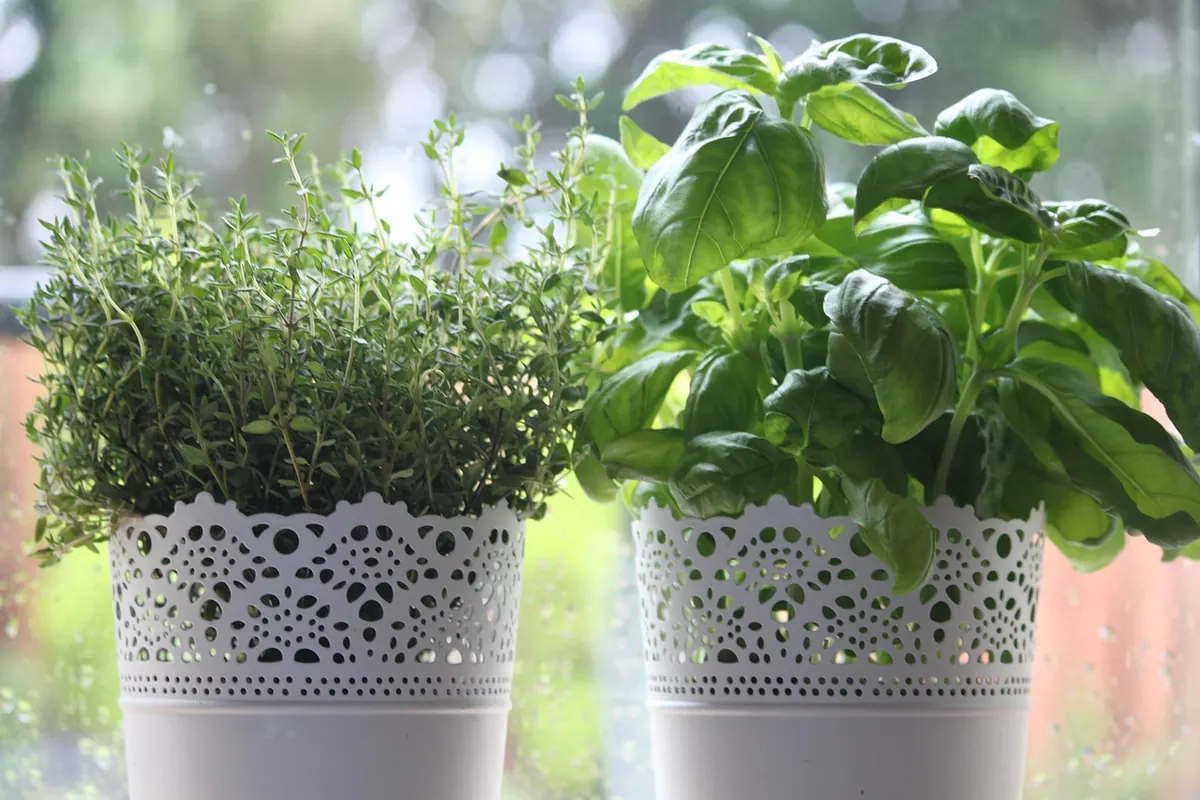
- Add a fresh element. Keep herbs, lemon, scallions, or a bag of arugula at work or in the fridge. A handful of fresh greens can wake up a tired container.
- Keep a “choose your own adventure” shelf. Stock pickled onions, roasted red peppers, olives, hot sauce, and everything bagel seasoning. These small condiments make assembly feel creative.
- Repeat only what you love. If you genuinely enjoy the same lentil salad three days in a row, do that. Meal prep should reduce friction, not force variety for its own sake.
Do not prep five identical lunches and call it discipline. Prep a pantry of possibilities and call it strategy.
Emergency backup lunches
Even the best system has a bad week. Maybe you forgot to defrost the tofu, or a work lunch ran long, or you simply cannot look at another grain bowl. Keep a few emergency options on hand so you do not default to expensive takeout.
- Frozen edamame and microwave rice: Ready in three minutes, then top with soy sauce, sesame oil, and chili crisp.
- Canned chickpea smash: Mash chickpeas with mayonnaise or Greek yogurt, mustard, celery, and salt. Eat with crackers or pita.
- Hummus and vegetable wrap: Spread hummus on a tortilla, add cucumber, carrots, spinach, and feta. Roll and go.
- Cottage cheese or Greek yogurt bowl: Top with cucumber, tomato, olive oil, za’atar, and pita chips.
- Freezer soup: Keep single portions of lentil, minestrone, or black bean soup frozen. Reheat in a mug or bowl.
These are not fancy lunches. That is the point. They are fast, cheap, and good enough to stop a small lapse from becoming a full week of $15 salads.
Make it easier than skipping
The best vegetarian lunch prep is not the most elaborate one. It is the one you will actually repeat. Start with one grain, one protein, two vegetables, and one sauce this week. Pack them separately. See what you reach for first and what feels like a chore. Next week, adjust.
Over time, you will learn your own patterns: maybe you hate cold roasted broccoli but love it reheated with chili oil. Maybe you need crunchy toppings to feel satisfied. Maybe Friday should always be a hummus plate because by then you are done with bowls. That is not failure. That is calibration.
Lunch does not have to quietly undo your week. With a little prep, it can become the easiest, most reliable good decision you make all day — and it can taste good enough that you actually look forward to it.
Photo: 1644199 / Pixabay